Master Lighting and Texture Design for 3D Games
Building realistic game environments isn't just about modeling geometry. It's about understanding how light interacts with surfaces and how textures tell a story. Our hands-on program walks you through the technical and artistic skills you need to create believable 3D worlds.
View Upcoming SessionsWhat You'll Actually Learn
Most courses throw theory at you and hope it sticks. We focus on practical scenarios you'll face in production environments. You'll work with real asset pipelines and industry-standard tools from week one.
- PBR material workflows and shader setup for game engines
- Dynamic and baked lighting strategies for performance optimization
- Texture authoring using substance workflows and procedural techniques
- Light probe placement and reflection capture for realistic indirect lighting
- Color grading and post-processing to achieve consistent visual tone
- Debugging common rendering artifacts and performance bottlenecks

Learn From Working Professionals
Our instructors aren't just educators. They're active in game production and bring current techniques and real problem-solving experience to every session. You'll get honest feedback and practical advice you can use immediately.
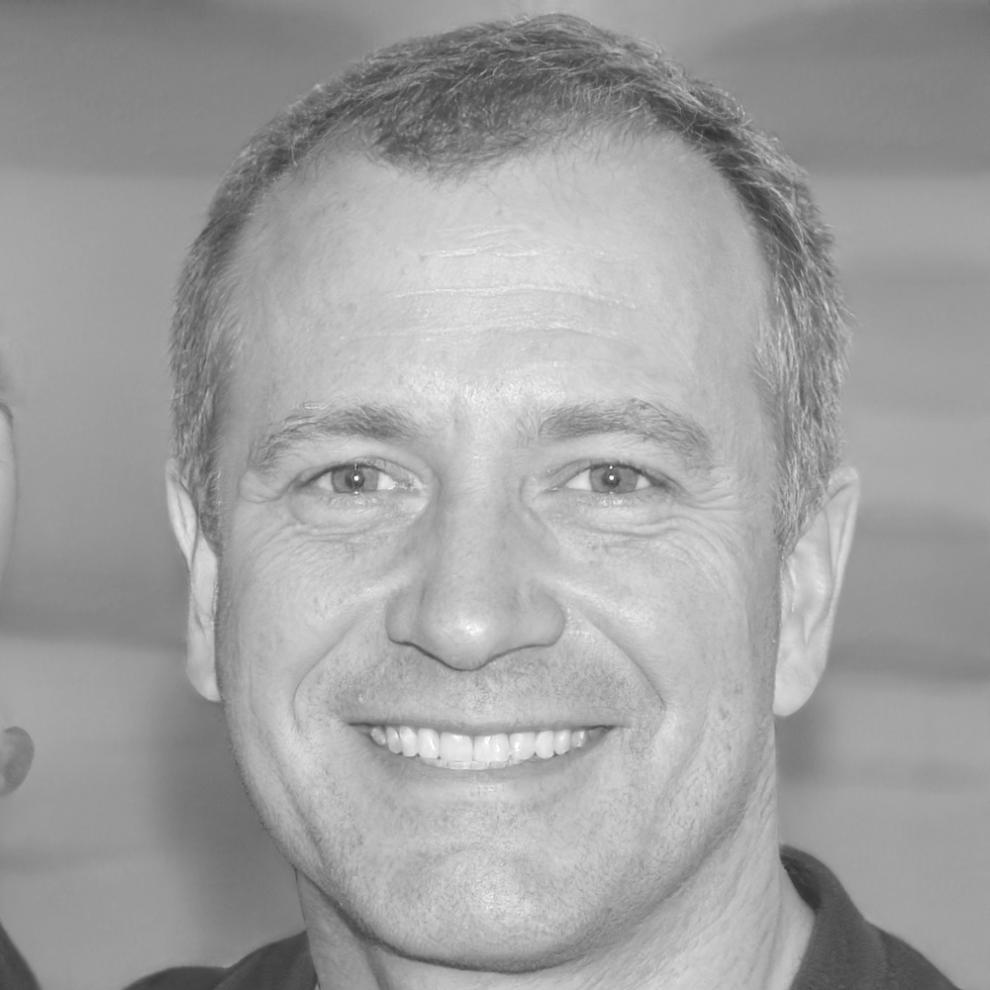
Terrence Holbrook
Lead Lighting Artist
Terrence spent eight years at mid-sized studios working on action and adventure titles. He's shipped six games and specializes in outdoor lighting and atmospheric effects. He's known for breaking down complex concepts into manageable steps.
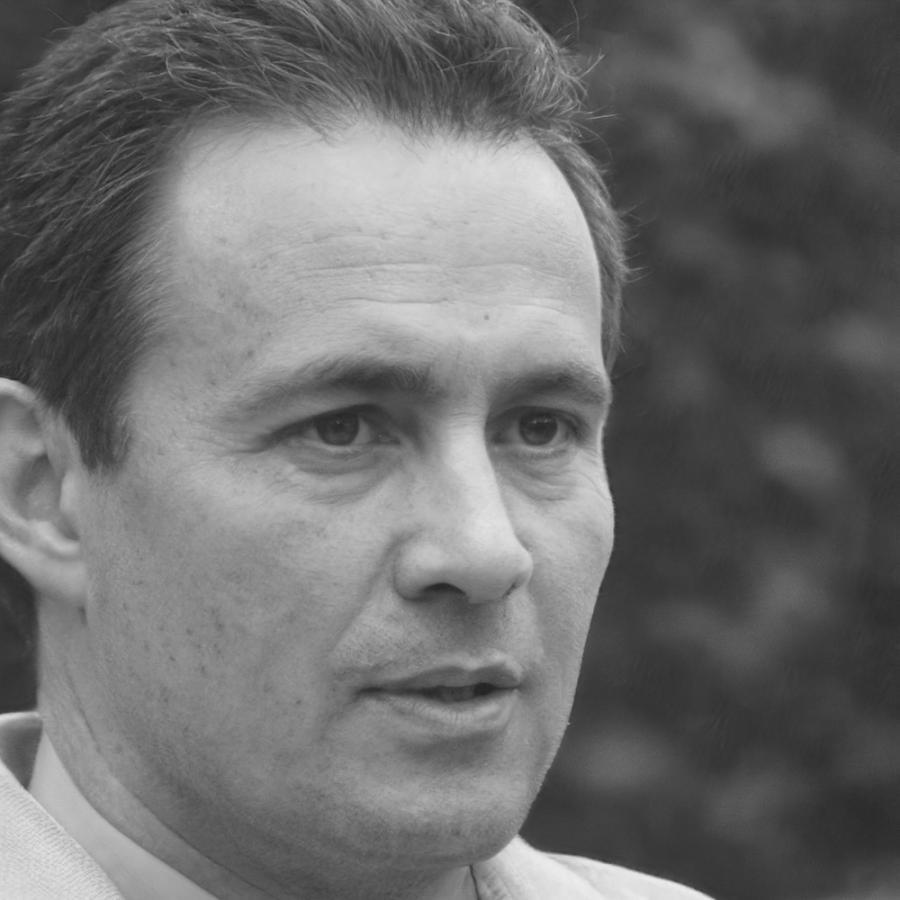
Winston Keating
Technical Artist
Winston bridges the gap between art and engineering. He's worked on everything from mobile games to VR projects and teaches shader authoring and material optimization. His focus is on helping artists understand the technical constraints that shape creative decisions.
How the Program Works
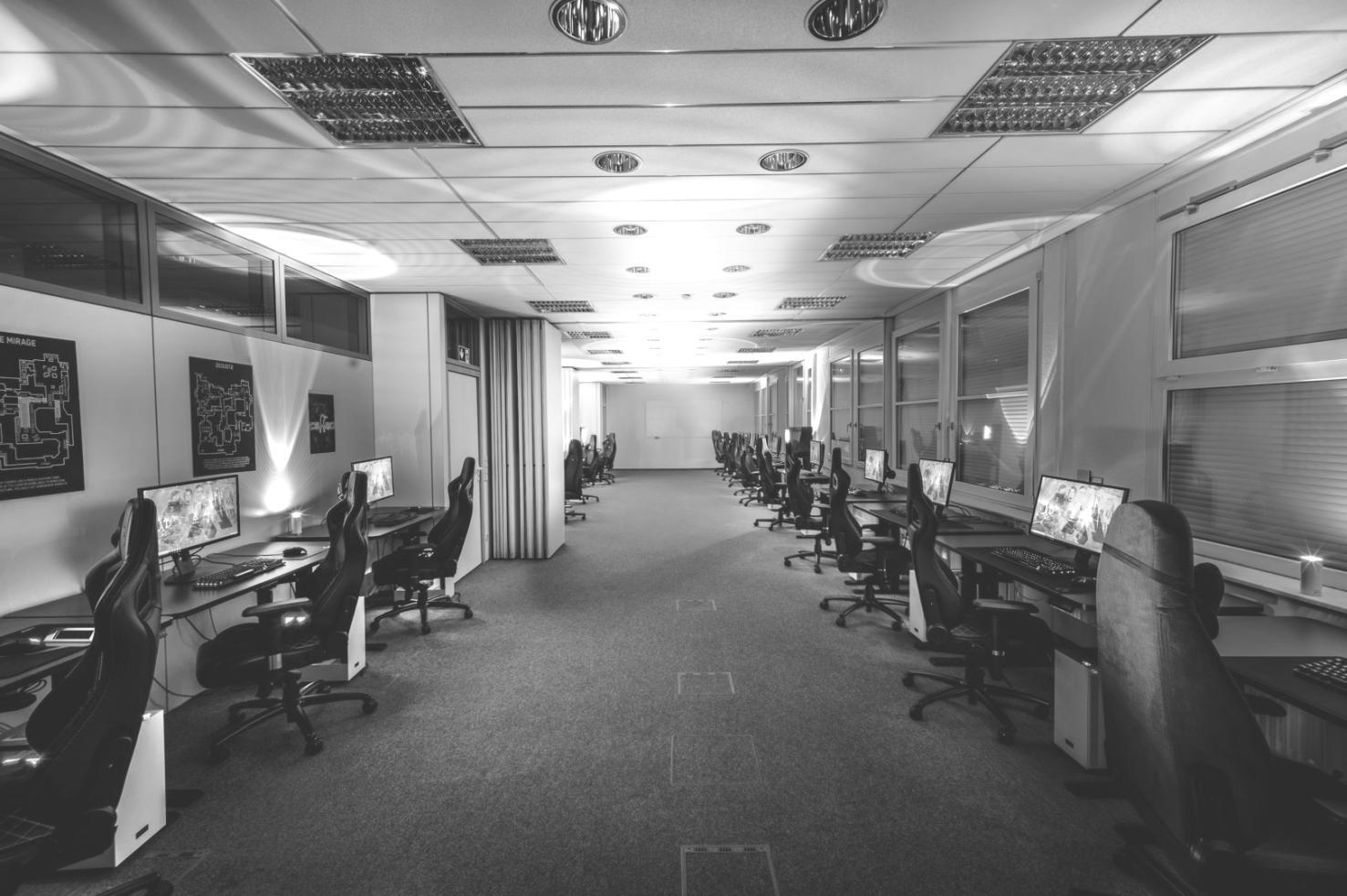
This isn't a lecture series where you take notes and hope to remember everything later. Each session includes guided practice, troubleshooting common mistakes, and building portfolio-ready work at your own pace.
Small Group Sessions
Classes are capped at twelve participants so instructors can give personalized feedback. You'll review each other's work and learn from different approaches to the same problem.
Project-Based Learning
You'll complete four major projects throughout the program, each focusing on a different environment type. By the end, you'll have work that demonstrates your range and technical understanding.
Ongoing Support
Access to course materials doesn't expire after the program ends. You'll also join our community space where graduates share tips, resources, and job opportunities.