


Teaching Game Lighting That Actually Works

We started Secondtech Tick in 2019 because we got tired of seeing talented artists struggle with technical lighting setups. After years working in mid-sized studios, we knew there was a better way to teach this stuff—skip the theory overload and focus on what makes scenes look good in actual games.

Connect With Our Team

What We Stand For

Look, we're not here to reinvent education or promise you'll land at a AAA studio in six months. We just want to share what we've learned over the years—and hopefully save you from some of the mistakes we made along the way.

Real Projects, Real Challenges

We use actual game scenes—messy UVs, budget constraints, performance issues and all. Because that's what you'll face when you're working on a real project, not some pristine tutorial setup that never exists in production.

Learn By Making Things

Our courses are built around hands-on work. You'll spend most of your time lighting scenes, experimenting with textures, and figuring out why something doesn't look right. Then fixing it. That's how this skill actually develops.

Support That Continues

Once you finish a course, you still have access to our community channels. Ask questions, share your work, get feedback. We've seen too many programs just end abruptly—that's not how learning works.

Students working together on 3D lighting projects in collaborative workspace

What Our Students Actually Do

We track what happens after people finish our programs. Not everyone lands a job right away—that's normal. But here's what we've noticed over the past few years with students who stuck with it.

Portfolio Work

Most students rebuild their portfolios during the course. They take old projects and relight them properly, which often makes a bigger difference than creating something new from scratch.

Jasper reworked his environment pieces and started getting interview responses within three months of graduating in autumn 2024.

Studio Connections

We introduce you to people we know in the industry—technical artists, lighting leads, environment artists. Some of these connections turn into opportunities, some just become helpful contacts.

Leona connected with a lighting TD through our network who gave her feedback that helped land a contract role in early 2025.

Technical Understanding

You'll understand why games look the way they do—performance budgets, shader complexity, baking workflows. This knowledge helps whether you're applying for junior roles or freelancing.

Thaddeus used what he learned to optimize lighting in his indie project, cutting load times significantly without losing visual quality.
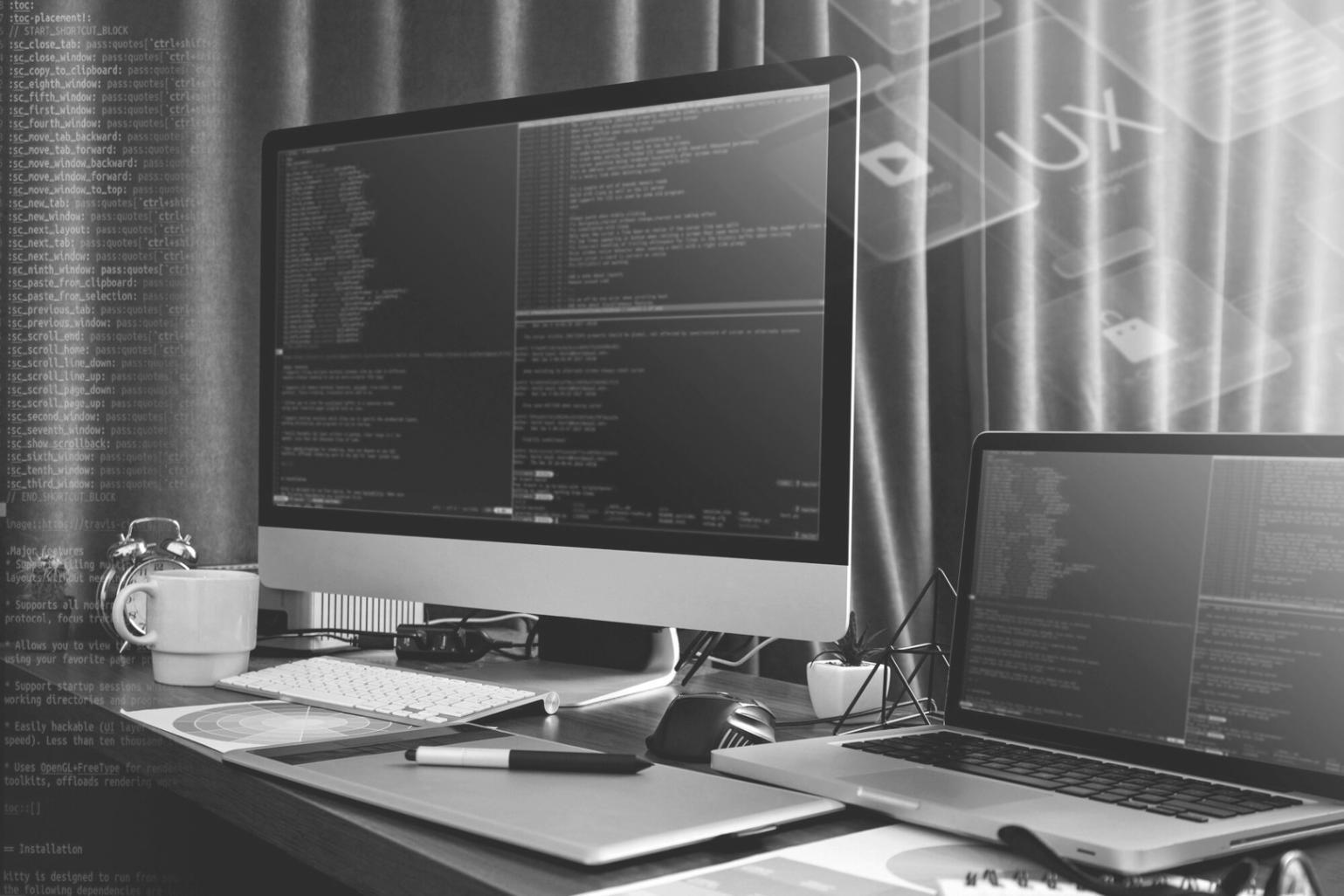
Instructor demonstrating lighting techniques on dual monitors to engaged student Group discussion about texture optimization and lighting balance

How We Actually Teach

Our courses run for about four months, with new cohorts starting in September and February. Classes are small—usually twelve to fifteen people—because we've found that's the sweet spot for getting meaningful feedback.

  • Weekly project reviews where we look at everyone's work together and talk through what's working and what isn't
  • Direct access to instructors who've shipped games—you can ask questions anytime through our dedicated channels
  • Study groups that form naturally in each cohort, which honestly become some of the most valuable learning experiences
  • Real critique sessions that mirror what you'll get in a studio environment, so feedback doesn't feel like a shock later
  • Access to our resource library with lighting setups, shader examples, and optimization techniques we've collected over years

Our next program starts in September 2025. If you're interested, reach out now—spots fill up pretty quickly and we like to chat with everyone before they commit.

Meet The Team

Willow Drayton, Lead Instructor and Founder of Secondtech Tick

Willow Drayton

Lead Instructor & Founder

I spent eight years as a lighting artist at mid-sized studios in Ontario before starting Secondtech Tick. Worked on everything from mobile games to console titles—never anything you'd recognize, but that's actually good experience for teaching. You learn way more solving problems with limited budgets than you do with unlimited resources.

Started this program because I kept meeting talented artists who just needed someone to explain lighting in practical terms. No unnecessary theory. No magical solutions. Just solid techniques that work in production.
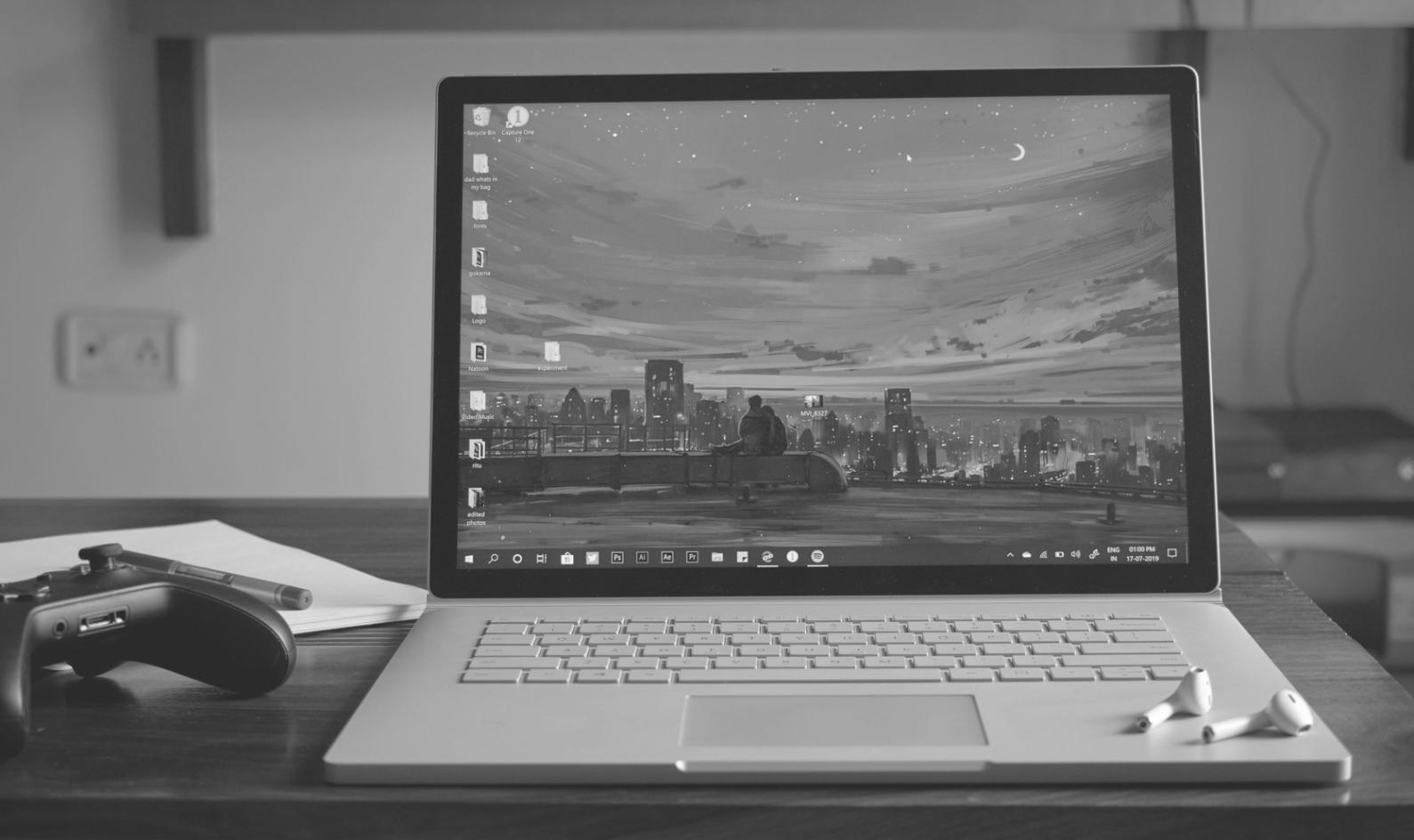
Our teaching space in Smithville equipped with workstations and lighting setups

Based in Smithville, Ontario

We run our programs from a small studio space at 138 Rock St. It's not fancy, but it has good lighting (naturally), solid workstations, and enough room for everyone to spread out. You're welcome to visit if you're in the area—just shoot us an email first.

Get In Touch